


- Home
- Catalog Course
Our Training Course for Nondestructive Testing (NDT)
CONVENTIONAL NDT TRAINING LEVEL I & II
Penetrant Testing, Magnetic Particle Testing, Ultrasonic Testing, Eddy
Current Testing

ADVANCE NDT TRAINING
Short Range Ultrasonic Testing, Phased Array Ultrasonic
Testing, Pulsed Eddy Current,

ASNT NDT LV.III PREPARATION TRAINING
Short Range Ultrasonic Testing, Phased Array Ultrasonic Testing, Pulsed Eddy Current,
Our Training Course for Lifecycle Oil and Gas Industry
LIFTING GEAR INSPECTION
Lifting Accessories, Lifting Machine Manual and Power,
Offshore Container

NDT TRAINING LEVEL 1 & 2
- Penetrant Testing,
- Magnetic Particle Testing,
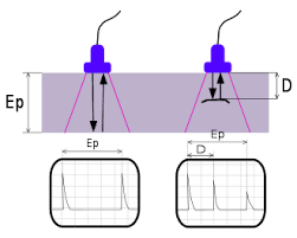
- Ultrasonic Testing,
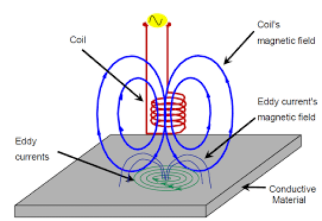
- Eddy Current Testing,
- Visual Testing
Penetrant Testing Level I Outline
- Introduction : History and Purpose
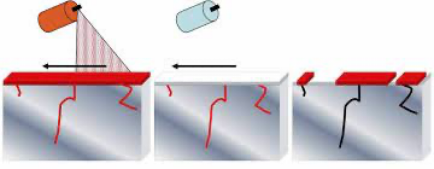
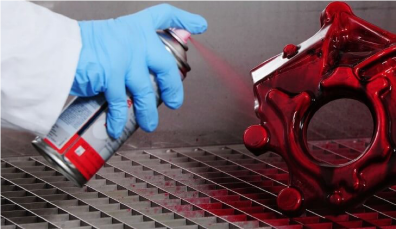
- Liquid Penetrant Processing
- Various Penetrant Testing Methods
- Liquid Penetrant Testing Equipment and Testing Aids
Penetrant Testing Level II Outline
- Review of Basic Principles and Method
- Selection of Appropriate Penetrant Testing Method
- Inspection and Evaluation of Indications
- Inspection Procedure and Standards
- Basic Methods of Instruction
Magnetic Particle Testing Level I Outline
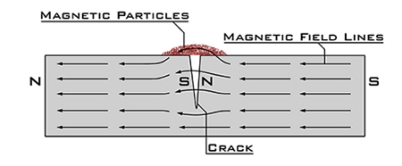
- Theory and Principles of Magnet and Magnetic Fields
- Characteristics of Magnetic Fields
- Effects of Discontinuities of Material
- Magnetization by Means of Electric Current
- Selecting the Proper Method of Magnetization
- Inspection Medium / Materials
- Principles of Demagnetization
- Magnetic Particle Testing Equipment
- Types of Discontinuities Detected by Magnetic Particle Testing
- Magnetic Particle Test Indications and Interpretations
Magnetic Particle Testing Level II Outline
- Theory and Principles :
Flux Strength and Patterns Material Hardness and Heat Effects - Flux Field :
Direct Current Rectified Direct Current Alternating Current -Permanent Magnets - Effects of Discontinuities of Material
- Magnetization by Means of Electric Current
- Selecting the Proper Method of Magnetization
- Demagnetization Procedures
- Types of Equipment and Testing Medium
- Types of Discontinuities
- Evaluation Techniques and Standards
- Equipment Maintenance, Check and Process
Ultrasonic Testing Level I Outline
- Basic Ultrasonic Course
• Introduction
• Basic Principles of Acoustics
• Equipment
• Basic Testing Methods - Ultrasonic Technique Course
• Testing Methods
• Calibration ( Electronic and Functional )
• Straight Beam Examination to Specific Procedures
• Angle Beam Examination to Specific Procedures
Ultrasonic Testing Level II Outline
- Review of Ultrasonic Techniques Course
- Evaluation of Base Material Product Forms
- Evaluation of Weldments
- Evaluation of Bonded Structure
- Discontinuity Detection
- Evaluation
Eddy Current Testing Level I Outline
- Basic Electromagnetic Course
• Introduction
• Basic Principles of Electromagnetic
• Equipment
• Basic Testing Methods - Eddy Current Technique Course
• Equipment and probe
• Lift off, edge-end effect
• Testing Methods
• Calibration ( Electronic and Functional )
• Examination to Specific Procedures
Eddy Current Testing Level II Outline
- Review of Eddy Current Techniques Course
- Evaluation of Base Material Product Forms
- Evaluation of Weldments
- Evaluation of Bonded Structure
- Discontinuity Detection
- Evaluation
Visual Testing Level II Outline
- INTRODUCTION TO VISUL TESTING
• Definition of visual inspection, Visual inspection applications Primary processing inspection
• Secondary and finishing process inspection
• In-service inspection, Conditions for visual inspection
• Standards for visual inspection - PHYSICS OF LIGHT
• Luminous flux, Luminous intensity
• Properties of light, Measurement of light
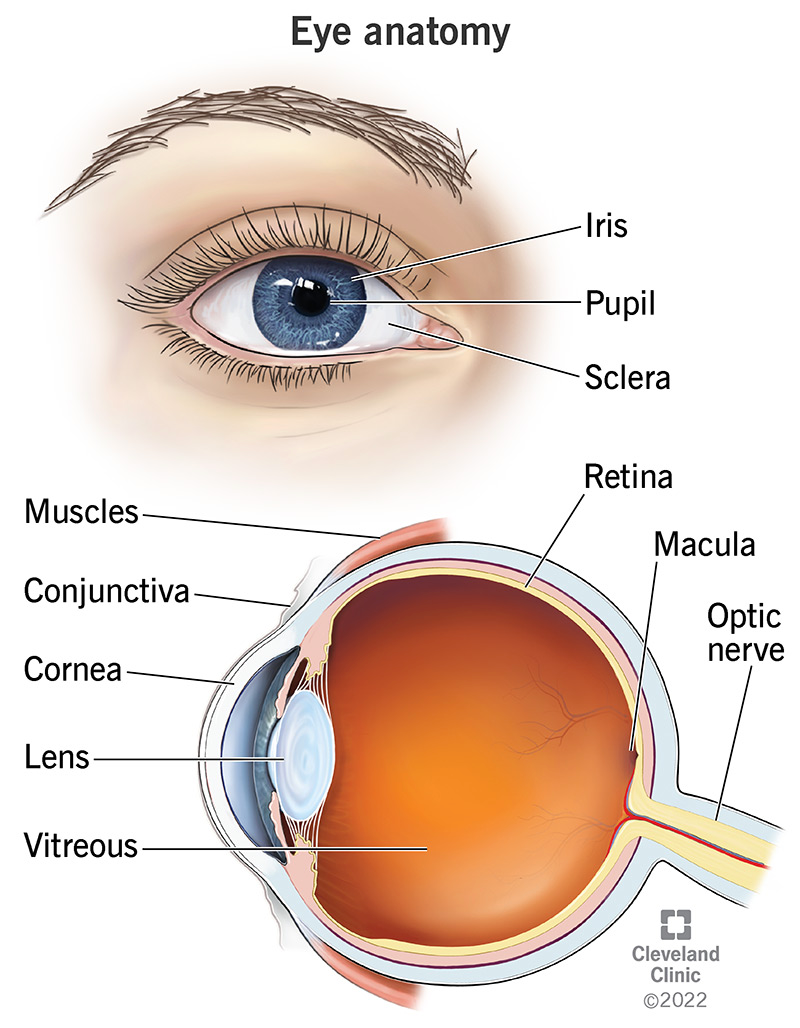
• Measurement of visible light, Measurement of ultraviolet light - THE EYE AND VISION
• Vision, Vision acuity, Near vision examination
• Far vision examination, Color vision testing - ENVIRONMENTAL CONDITIONS
• Cleanliness, Lighting
• Access and viewing distance
• Viewing angles and distances,
Visual Testing Level II Outline
OPTICAL AIDS
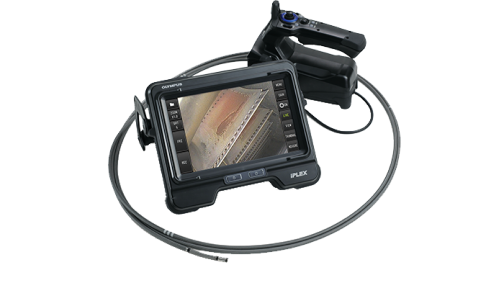
• Mirrors, Borescopes, Setting up a borescope
• Endoscopes or Fibrescopes, Fibre optics
• Application of borescopes and endoscopesINSPECTION PROCEDURES
• Inspection within a quality system
• Writing Inspection Procedure
• Contents of Inspection Procedure
• Acceptance/rejection criteria
• Reporting
• Requirements of ASME Sec. V Art. 9
ADVANCED NDT TRAINING
- Phased Array Ultrasonic Testing
- Short Range Ultrasonic Testing
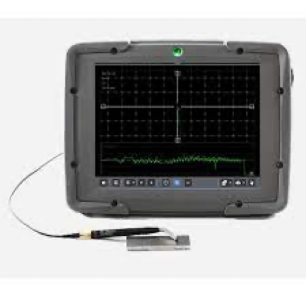
- Pulsed Eddy Current
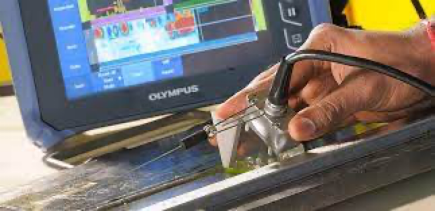
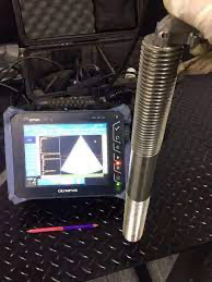
Phased Array Ultrasonic Testing Course
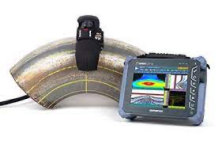
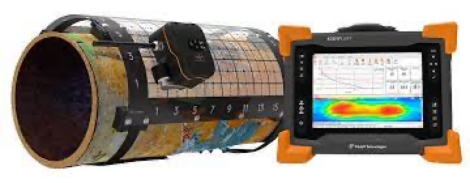
- HydroFORM utilizes an ingenious water-column concept that eliminates the need for a wedge, thus providing the benefits of a phased array immersion-tank inspection.
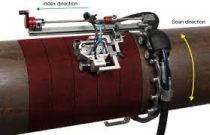
- The FlexoFORM™ solution integrates flexible phased array probe technology in a scanner to solve pipe elbow inspection
Short Range Ultrasonic Testing Course
Tank Floor and Corrosion Under Pipe Support Inspection
- SRUT technique was designed to test the annular plate of above ground storage tanks (AST’s) while the tank remains in service.
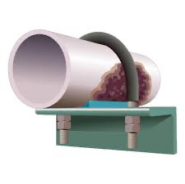
- CUPS or Touch point corrosion, is a challenging issue for the inspect the area without lifting the pipeline or asset off the supporting structure. With SRGW, it is possible to pass the signal through the pipeline at the specific touch point area to effectively screen for corrosion.
Pulsed Eddy Current Testing Course
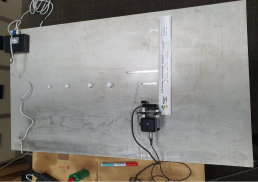
- Pulsed eddy current, or PEC, is an advanced electromagnetic inspection technology used in detecting flaws and corrosion in ferrous materials typically hidden under layers of coating, fireproofing, or insulation,
ASNT NDT LV.III PREPARATION TRAINING
- Penetrant Testing, Magnetic Particle Testing, Ultrasonic Testing, Eddy Current Testing, Visual Testing
- Preparing the Next Generation of NDT Experts: ASNT NDT Level III Training
Lifting Gear Inspection
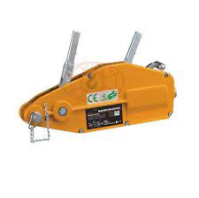
- Lifting Accessories,
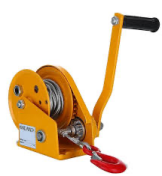
- Lifting Machine Manual and Power,
- Offshore Container

DROPPED OBJECT PREVENTION SCHEME (DROPS)
- Understanding Dropped Objects
- Dropped Objects Consequences
- DROPS Risk Assessment and Preventive
DERRICK MAST API 4G INSPECTION
Masts and derricks support enormous loads when drilling and running casing. API-recommended practice for mast and derrick inspections is a critical element to avoiding potentially non-productive time or even serious incidents and catastrophic events during drilling operations or following rig reactivation